Loading…
Introduction
The answer isn't in any single dataset. It lies in the connections between forests, fire, air, people and decisions. We'll piece this picture together step by step.
Chapter 01 · Community forests
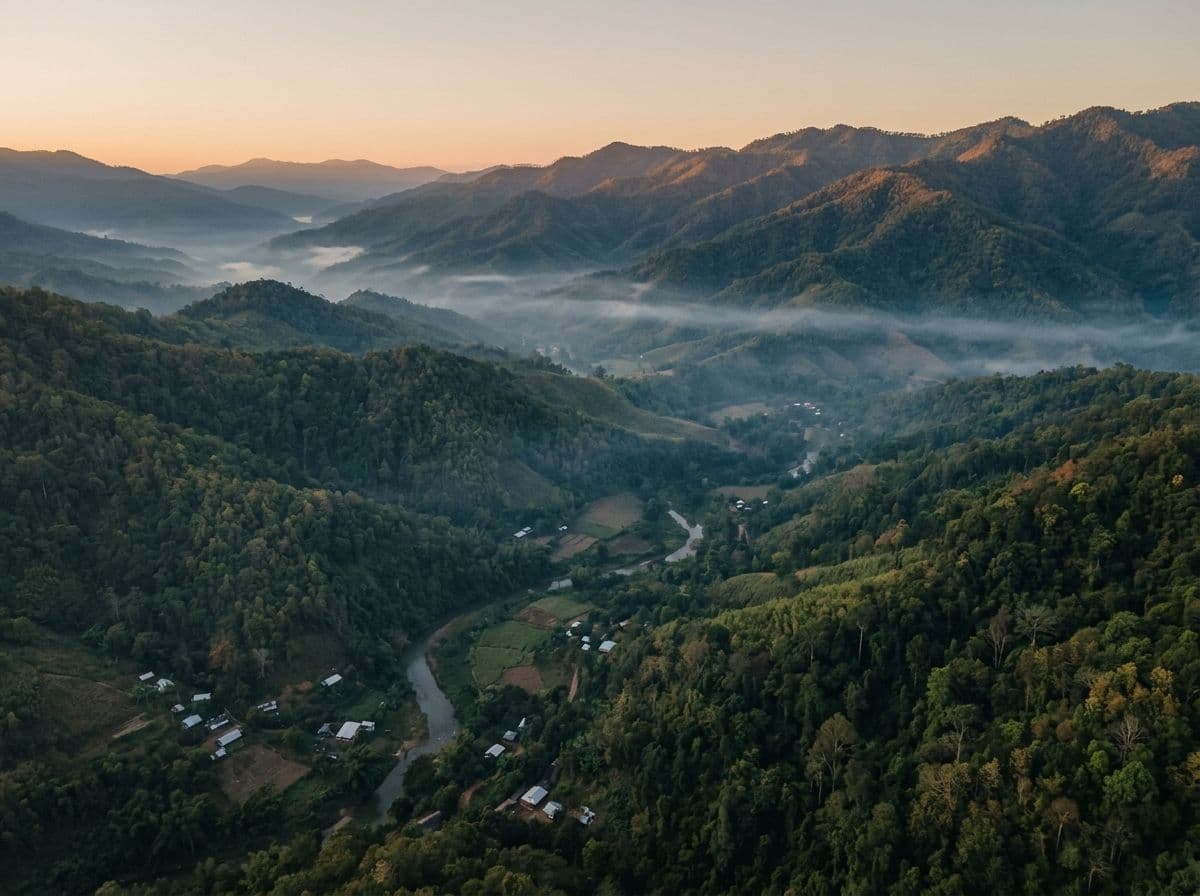
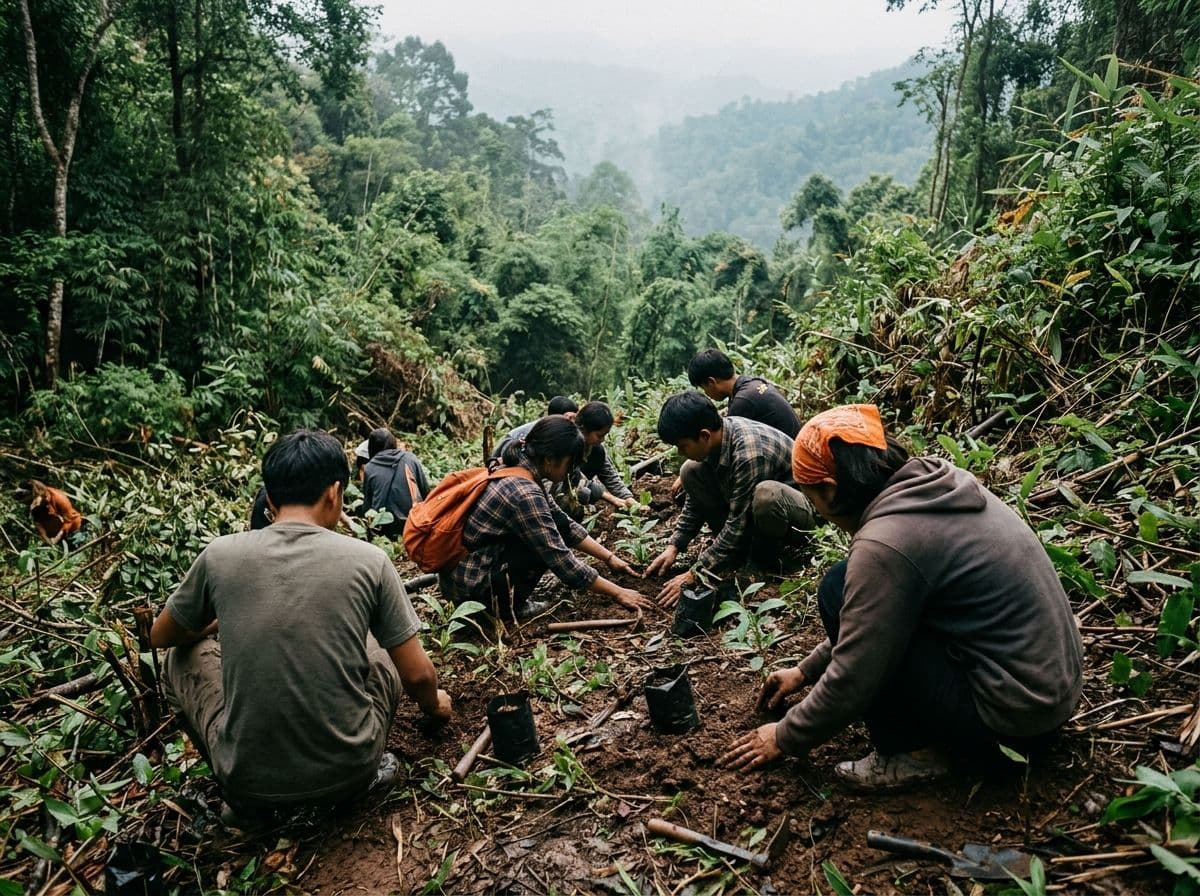
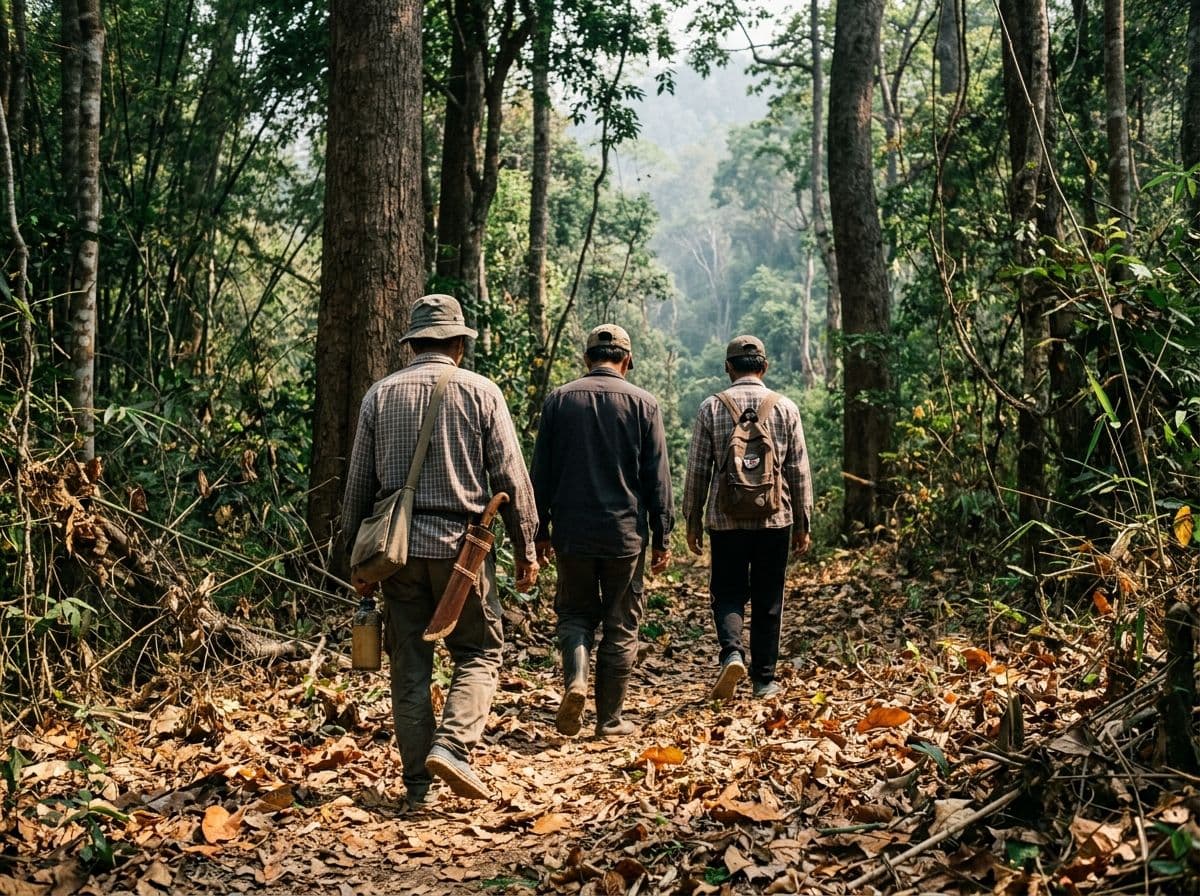
In Nan, many forests are not looked after by the state alone but by villagers who set rules, patrol, cut firebreaks and use the forest sustainably. Community forests are both ecological places and living social institutions.
A 2018 satellite survey mapped 1,841 community forest plots covering about 1.18 million rai in 94 of the province’s 99 sub-districts [1]. Nan’s forests as a whole cover 4.64 million rai, or 61% of the province [2].
| Indicator | Value | Source |
|---|---|---|
| community forest plots mapped across 94 of 99 sub-districts, about 1.18 million rai | 1,841 | Nan Community Forest Database (TRF), 2018 imagery |
| of the province is still forest — 4.64 million rai | 61% | Royal Forest Department via NSO, 2024 |
Chapter 02 · Fire and hotspots
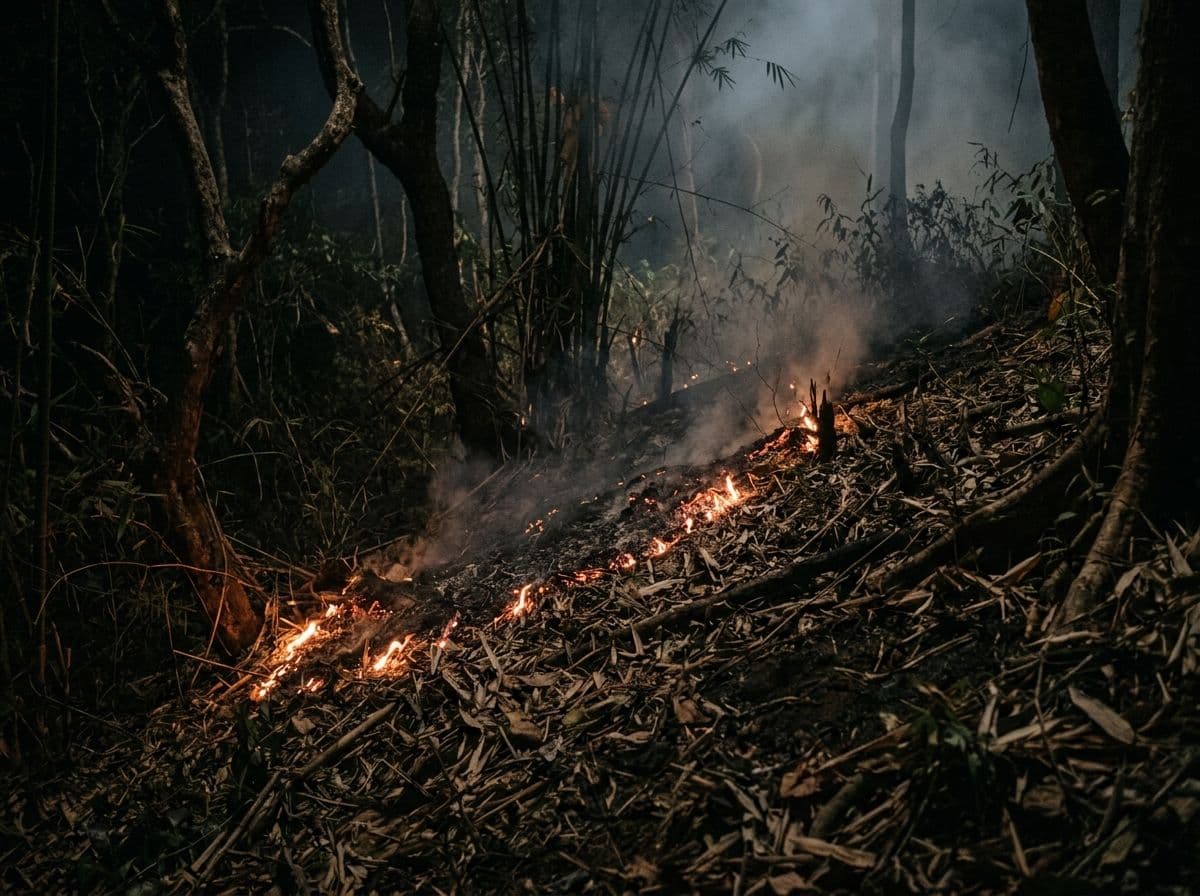
In the 2023 fire season satellites detected 11,366 hotspots in Nan, the second-highest in the North. Two years later the count was 4,048 [3]. Most fires happen in March and April, and almost all of them are in forest land, not farmland.
The key question of this chapter: do areas with strong community forests have fewer hotspots than elsewhere, and how confident can we be from the data we have?
| Fire season | Hotspots | Counted to | Note |
|---|---|---|---|
| 2023 | 11,366 | 31 May 2023 | 2nd in the North |
| 2024 | 5,336 | 7 May 2024 | 5th in the North |
| 2025 | 4,048 | 27 May 2025 | to 27 May |
| 2026 | 600 | 17 Mar 2026 | Season incomplete · to 17 Mar · season incomplete |
Chapter 03 · Haze and air
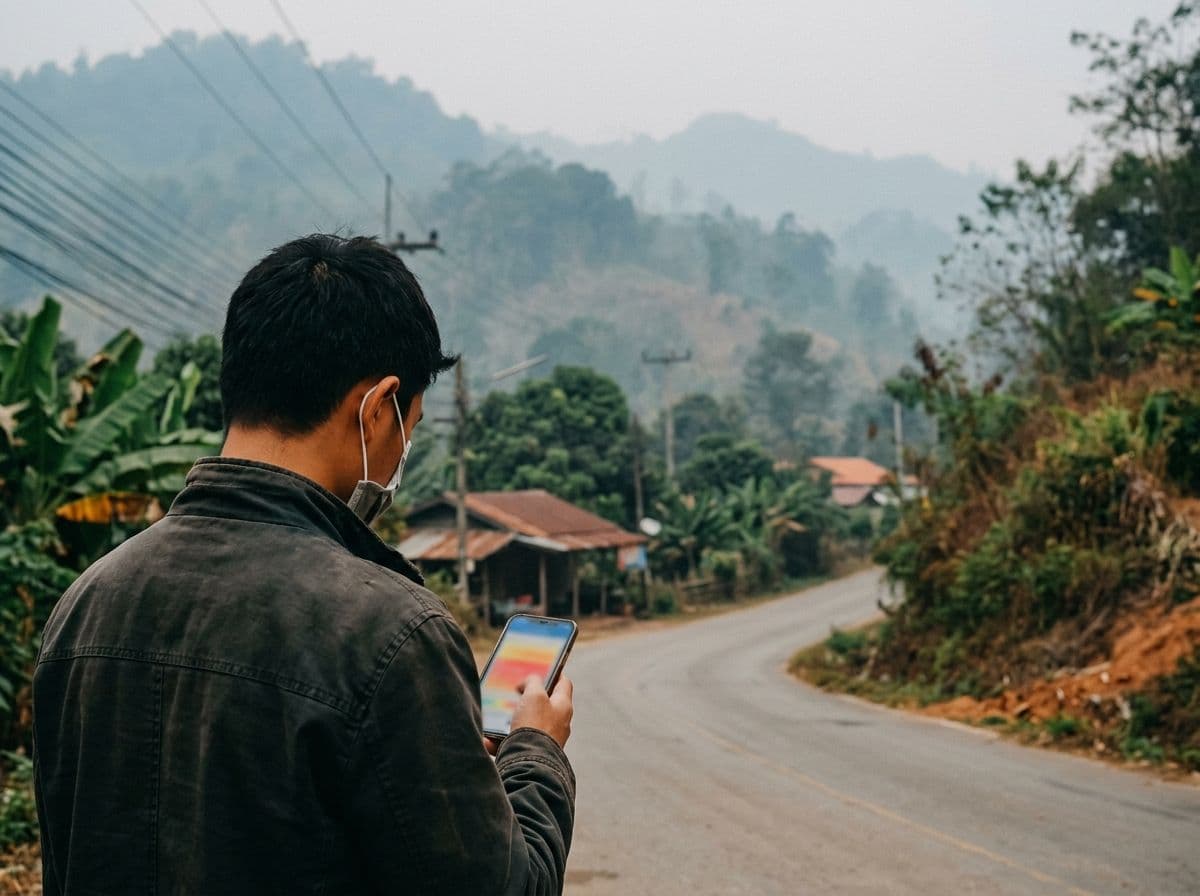
PM2.5 does not respect provincial borders. Smoke from the northern hills mixes with other sources — open burning, traffic and industry — so Nan’s problem becomes air that city people breathe too.
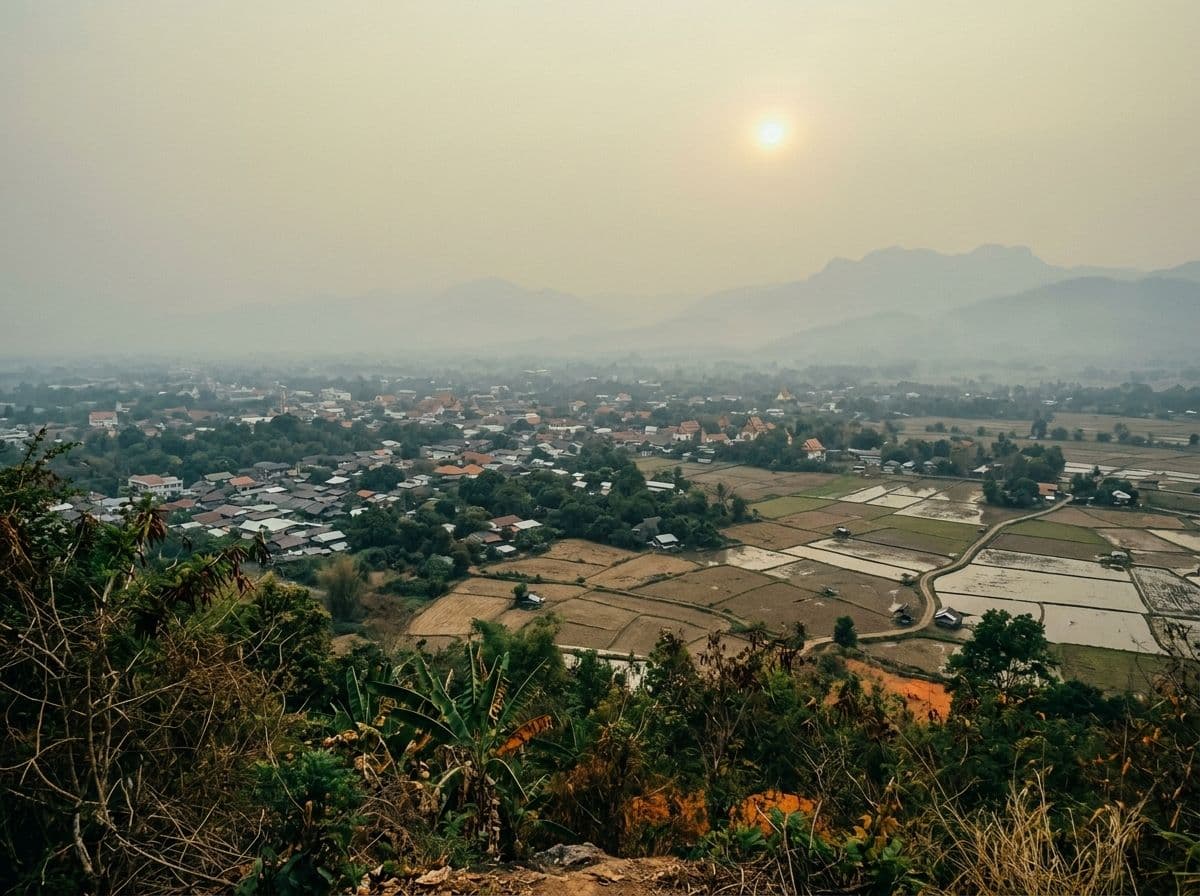 Nan Province
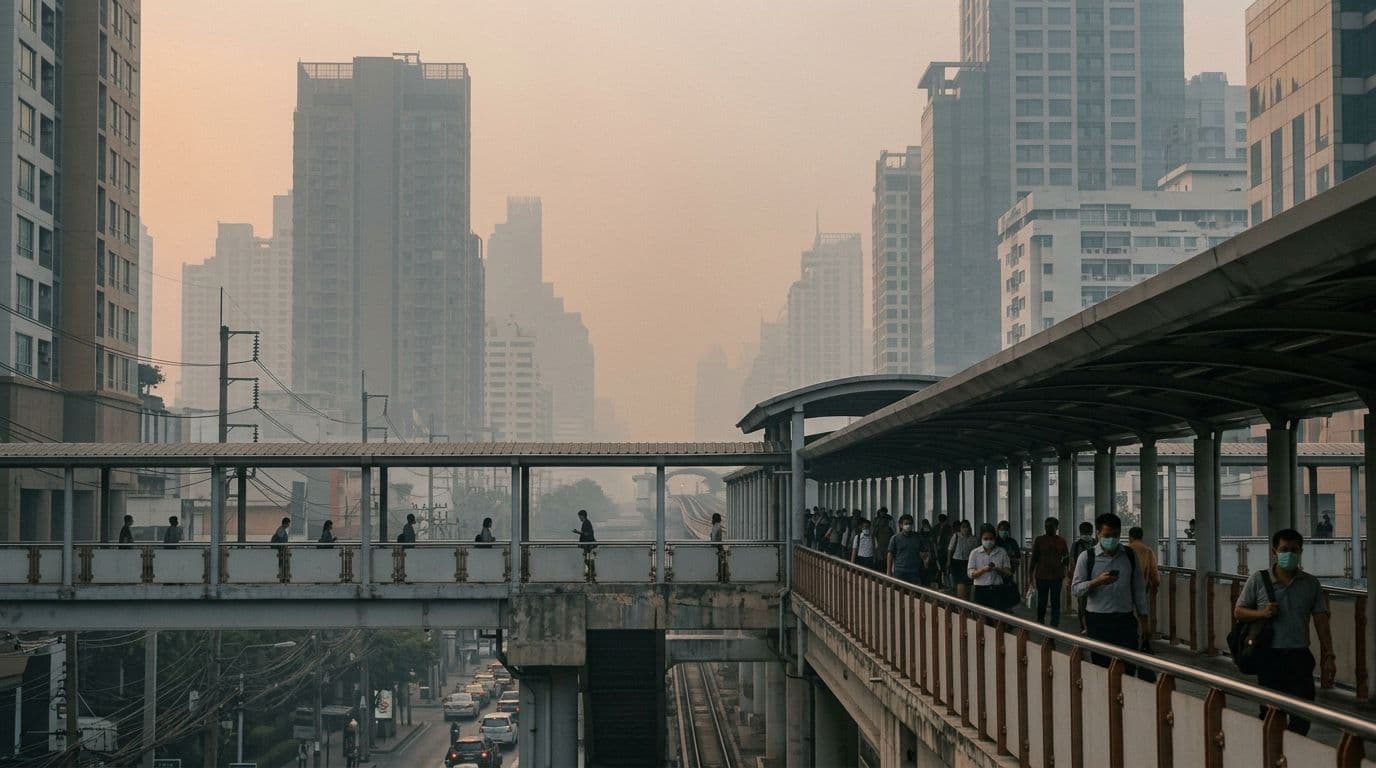 Bangkok and vicinity
| Area | Value | Detail |
|---|---|---|
| Nan Province | 109 days | air quality above the standard (to 27 May) |
| 17 northern provinces | 33 µg/m³ | annual mean · 163 days above standard |
| Bangkok and vicinity | 30 µg/m³ | annual mean · 118 days above standard |
Chapter 04 · Livelihoods
For many households the forest is a pantry, a pharmacy and a second income. When fire spreads, what is lost is not just trees but the food, income and health of the people who live closest to the forest.
At the same time, economic incentives pull people away from the forest. Maize in Nan grew from 60,597 to 127,754 hectares in three years (2007–2010) [8], and clearing plots with fire is one of the drivers of the fire season.
◌ Awaiting fieldwork“[Quote from a community forest member or fire volunteer, from the project’s fieldwork]”— [Name, role, village] · consent obtained
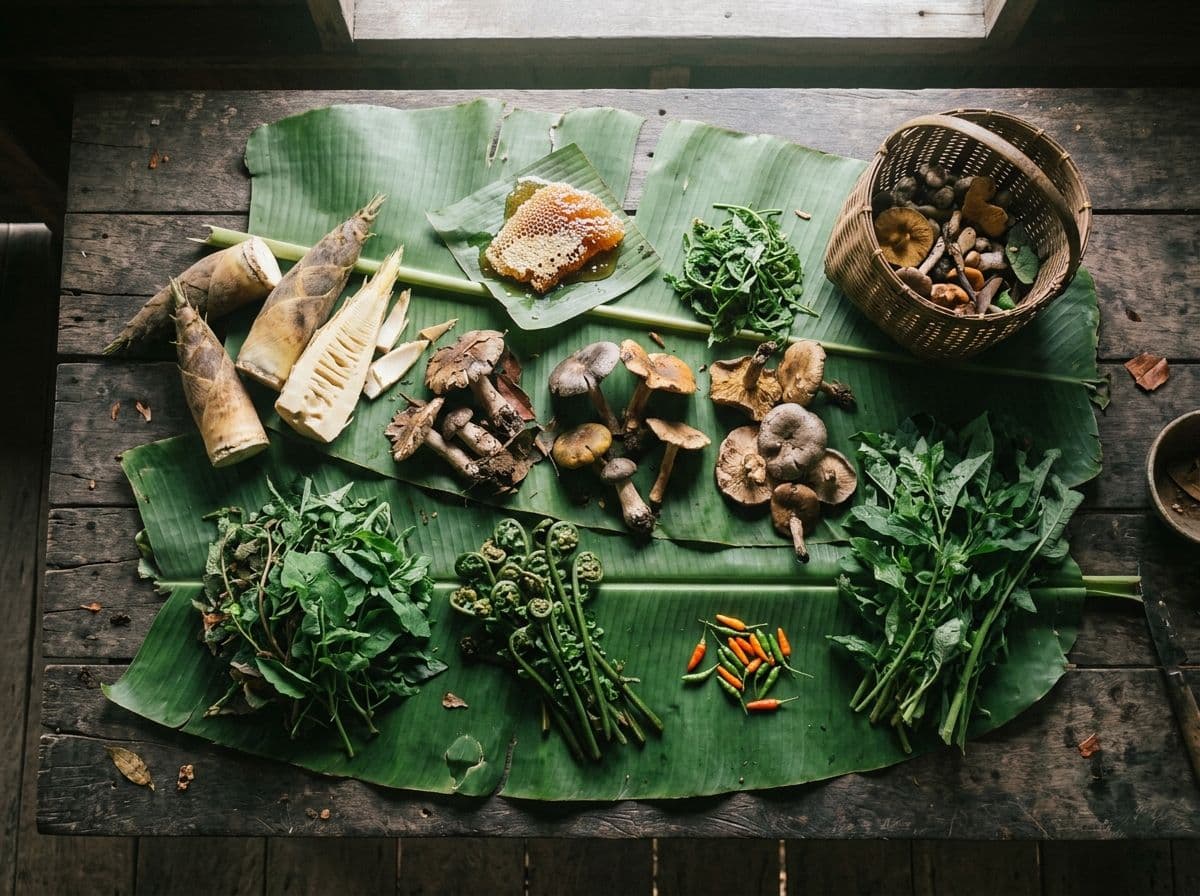
| Case study | Baht/household/year | Data period |
|---|---|---|
| Ban Mon Ngo community forest, Chiang Mai | 3,649 | 2022 data |
| Hmong village, Phetchabun (net value) | 34,487 | 2012–2014 data |
Chapter 05 · Policy and budgets
Wildfire and haze funding flows through many channels, but how much reaches the people who actually look after the forest is unclear. In FY2025 the 620.7 million baht central fund for wildfires was approved in late January — after the fire season had begun — and still could not be disbursed months later [9].
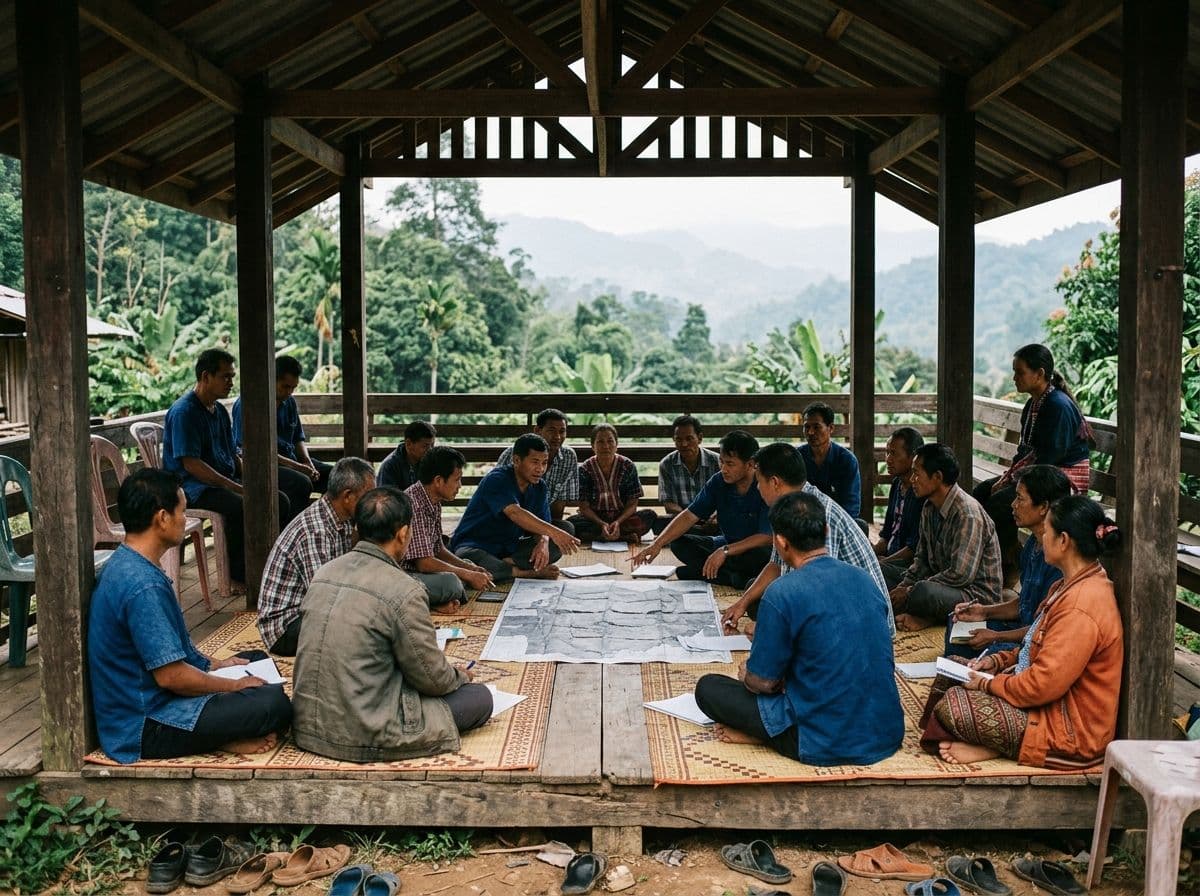
| Channel | Million baht | Share | Note |
|---|---|---|---|
| Department of National Parks, Wildlife and Plant Conservation | 433.67 | 58.4% | Central fund, Cabinet resolution 28 Jan 2025 |
| Royal Forest Department (reserve and community forests) | 187.02 | 25.2% | Central fund, Cabinet resolution 28 Jan 2025 |
| Grants to 90 local administrative organisations | 122 | 16.4% | As stated in parliamentary debate and the government reply |
| Direct to community forest groups | No line item | — | No separate line item in budget documents |
Chapter 06 · The whole system
The last five chapters are five pieces of one picture. Put together, they show self-reinforcing loops — loops that make things worse, and loops we can speed up to make things better.
Open the interactive system mapChapter 07 · Leverage points
Complex systems have points where a small push creates a large change. These are the points the evidence suggests are most worthwhile for each group.